Energy upgrades fail on timing more often than on technology. A roof with a few good years left is a perfectly sensible place to start saving on power; a roof at the end of its life is not. Understanding which situation you are in is the whole project.
Why the roof comes first
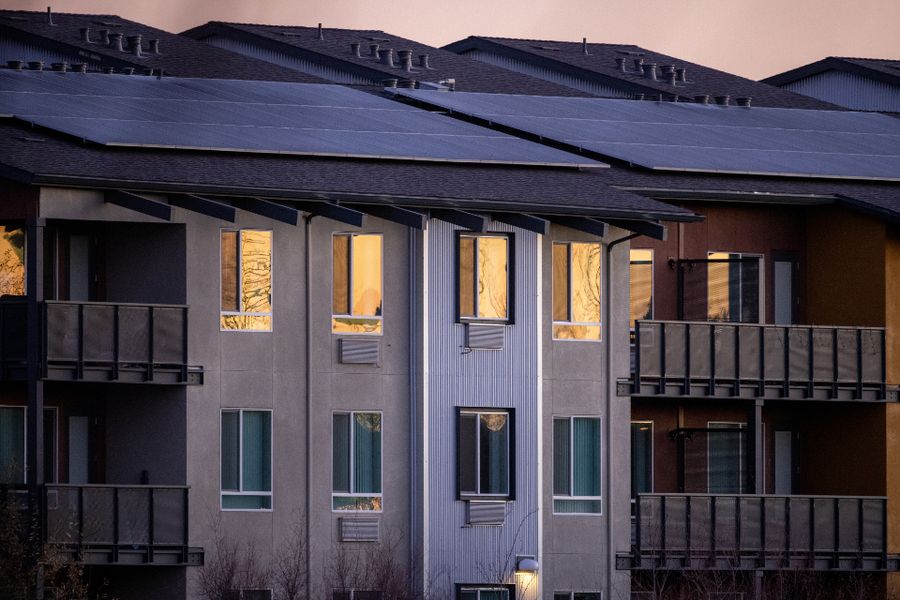
Panels are long-lived. Removing and refitting an array so a roof can be replaced costs far more than doing the roof while the scaffolding is already up. It also risks voiding workmanship cover on either side of the job. If your roof is approaching the end of its serviceable life, replace it now and let the new surface carry the array from day one.
Read the signs honestly
- Granules collecting in gutters, or patches that look bald in raking light.
- Ceiling stains after heavy rain, or a musty smell in the loft.
- Shingles that curl, cup or crack when the temperature swings.
- Daylight visible around vents, chimneys or flashing.
Any one of these deserves an inspection before you sign a solar contract. None of them automatically means a full replacement — targeted repairs and improved ventilation often buy a decade of service.
Get the structure and the airflow right
Before panels go up, ask about load capacity and fixing method. Trusses, sheathing and the age of the decking all matter, particularly with heavier tile. At the same time, balance soffit and ridge ventilation: a cooler loft protects shingles, reduces ice dams and keeps the underside of the array in a friendlier temperature range, which helps output.
Then size the system around your life
Design the array around how your household uses energy, not around a brochure figure. A family charging a vehicle overnight has a different profile from a household that is out all day. Battery storage changes the calculation again, shifting cheap daytime generation into the evening peak. Ask for a proposal that shows the assumptions, so you can see what happens if your usage changes.
Do not forget the paperwork
Permits, utility interconnection and inspection take time, and the sequence is not negotiable. Choose a contractor who handles the filings and can tell you what each stage is waiting on. Ask, too, which warranties cover the roof penetration itself — the array is only as watertight as the work done beneath it.
Plan the disruption, not just the install
Arrange scaffolding and parking before materials arrive, keep pets indoors during tear-off, and expect noise. Good crews protect planting, driveways and neighbouring fences, and they magnet-sweep the ground at the end of every day. Ask how the site will be secured overnight; the answer tells you a great deal about the company.
Still deciding where to begin? Our Roofing Upgrade and Solar Upgrade teams inspect together, so you get one report and one sequence instead of two competing opinions.